Introduction
In this short article, we will look into the interesting history and advancement of Reiki, an ancient Japanese healing strategy that has actually acquired appeal worldwide. We will trace its origins from its creator, Mikao Usui, to the modern masters who have actually broadened and fine-tuned the practice. Along the way, we will check out the various elements of Reiki, consisting of hand positions, signs, energy work, and different levels of training. Join us on this journey as we discover the advancement of Reiki and its extensive effect on individuals and neighborhoods around the globe.
Tracing the Evolution of Reiki: From Mikao Usui to Modern Masters
Reiki is a holistic recovery system that originated in Japan in the early 20th century. It was founded by Mikao Usui, a spiritual instructor who looked for to establish a method for directing universal life force energy for recovery purposes. Usui's journey towards creating Reiki started with his own mission for individual knowledge and healing.
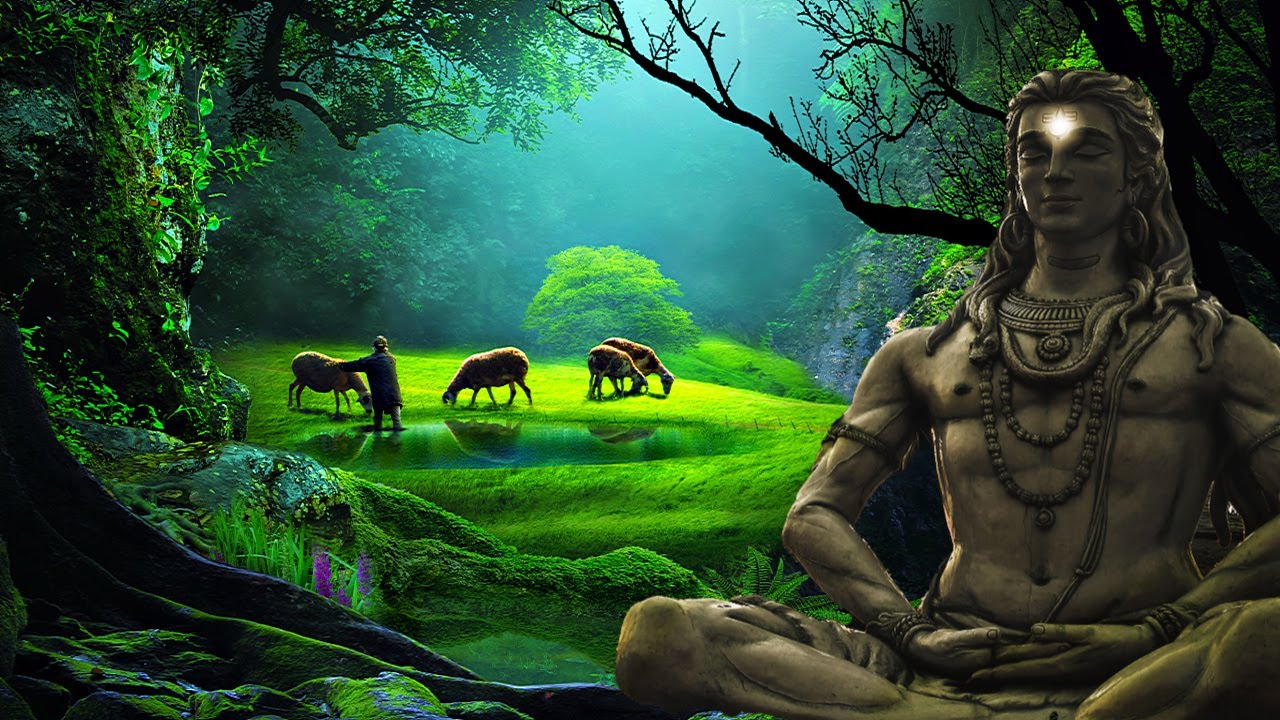
The Life and Mentors of Mikao Usui
Mikao Usui was born upon August 15, 1865, http://trevorbydw273.huicopper.com/the-art-of-energy-work-how-to-channel-and-manipulate-energy-for-recovery in Japan. He grew up in a society deeply rooted in spirituality and conventional healing practices. Inspired by his own experiences with disease and a desire to find responses beyond traditional medication, Usui embarked on a spiritual pilgrimage to Mount Kurama.
During his 21-day meditation retreat on Mount Kurama, Usui experienced a profound spiritual awakening. According to legend, he got knowledge and the capability to heal through a divine energy transmission. This marked the start of his journey as a therapist and the foundation for what would later end up being referred to as Reiki.
Unveiling the Concepts of Reiki
Upon returning from Mount Kurama, Usui dedicated himself to sharing his newly found knowledge and recovery capabilities with others. He established the Usui Reiki Ryoho Gakkai, a company committed to teaching and practicing Reiki. Usui established a set of concepts, known as the Five Reiki Principles or Reiki Precepts, which serve as a guiding approach for Reiki professionals:
Just for today, I will not be angry. Just for today, I will not worry. Just for today, I will be grateful. Just for today, I will do my work honestly. Just for today, I will respect every living thing.These concepts emphasize the significance of mindfulness, appreciation, and compassion in our day-to-day lives.
The Spread of Reiki
As word of Usui's recovery abilities and teachings spread, Reiki acquired appeal in Japan and eventually made its way to the Western world. Among Usui's students, Chujiro Hayashi, played a vital function in spreading out Reiki beyond Japan's borders. Hayashi further developed the hand positions utilized in Reiki treatments and presented a methodical technique to training.
The Advancement of Reiki Symbols
Hayashi also introduced symbols into the practice of Reiki. These symbols are graphes that act as secrets to accessing particular energies and boosting the recovery procedure. The 3 main signs used in traditional http://judahiqfq072.theglensecret.com/the-power-of-intents-in-reiki-how-your-thoughts-shape-your-recovery-experience-1 Usui Reiki are:
Cho Ku Rei: The power sign that enhances and improves energy. Sei Hei Ki: The mental/emotional symbol that promotes balance and recovery on the psychological level. Hon Sha Ze Sho Nen: The range symbol utilized for sending recovery energy throughout time and space.These symbols are normally taught at the second level of Reiki training, called Reiki Level 2 or Okuden.
Reiki Energy and Hand Positions
Reiki is based on the belief that universal life force energy flows through all living beings. This energy can become stagnant or blocked, resulting in physical, emotional, and spiritual imbalances. The role of a Reiki practitioner is to function as a channel for this recovery energy and direct it to the recipient.
During a Reiki session, the specialist places their hands on or near particular locations of the recipient's body, referred to as hand positions. These hand positions correspond to crucial energy centers or chakras and are intended to promote balance and healing within the body.
Some typical hand positions in Reiki consist of:

By using these hand positions, practitioners aim to facilitate the flow of healing energy throughout the recipient's body.
Exploring Different Levels of Reiki Training
Reiki training is typically divided into 3 levels or degrees, each building upon the previous one. These levels provide specialists with increasingly deeper knowledge and strategies for working with Reiki energy.
Reiki Level 1 or Shoden: This is the introductory level where students learn about the history and concepts of Reiki, as well as standard hand positions for self-healing and treating others.
Reiki Level 2 or Okuden: At this level, practitioners discover to work with symbols and distance recovery strategies. They likewise acquire a deeper understanding of emotional recovery and how to address particular issues utilizing Reiki energy.
Reiki Level 3 or Shinpiden/Master Level: This level is scheduled for those who wish to end up being Reiki Masters or teachers. It involves a substantial commitment to personal development and proficiency of Reiki techniques.
The Modern Masters of Reiki
Since Mikao Usui's time, numerous people have devoted themselves to furthering the practice and understanding of Reiki. Some significant modern-day masters consist of:
Hawayo Takata: A Japanese-American woman who introduced Reiki to the Western world and played a critical function in its dissemination.
Phyllis Lei Furumoto: Granddaughter of Hawayo Takata, Furumoto turned into one of the leading figures in the Reiki neighborhood, continuing her grandma's teachings.
William Lee Rand: Founder of the International Center for Reiki Training (ICRT), Rand has been instrumental in promoting Reiki as a respected recovery method worldwide.
These contemporary masters have broadened upon Usui's initial mentors, integrating new methods and perspectives while staying real to the core concepts of Reiki.
Frequently Asked Questions
What is the history of Reiki? Reiki originated in Japan in the early 20th century and was founded by Mikao Usui. It has given that spread internationally, developing and adjusting through the efforts of various practitioners and teachers.
How does Reiki work? Reiki works by carrying universal life force energy through a professional's hands to promote recovery and balance within the recipient's body, mind, and spirit.
What are the hand positions utilized in Reiki? Reiki professionals use specific hand positions that correspond to energy centers or chakras in the body. These hand positions assist in the flow of recovery energy throughout the recipient's system.

What are the symbols used in Reiki? Reiki signs are visual representations that function as keys to accessing specific energies during a treatment session. They enhance the healing procedure and can be utilized for range healing as well.
How can I end up being a Reiki professional? To end up being a Reiki practitioner, you can seek training from a licensed Reiki Master. Training generally involves 3 levels of study, each building upon the previous one.
Can Reiki be used along with other healing modalities? Yes, Reiki can complement and improve the results of other healing methods. It is often utilized in combination with traditional medication, counseling, and other holistic practices.
Conclusion
The evolution of Reiki from Mikao Usui to modern masters has transformed it into a commonly recognized healing technique that brings comfort and remediation to many people worldwide. Through its principles, signs, hand positions, and energy work, Reiki continues to empower specialists and receivers alike. Whether you seek personal recovery or desire to explore a profession in holistic health, the journey of tracing the development of Reiki provides an extensive opportunity for growth and improvement. Embrace the power of Reiki and unlock your capacity for healing today.
Please note that the details provided in this short article is for academic functions just and must not replace professional medical advice.